-->
Showing posts with label Kalli Fullerton Doubleday. Show all posts

July 1, 2012

Being a Geographer: you're born with it


As I set out to get my mind focused on applying for PhD programs, I revisited the statement of intent I submitted for graduate school at California State University, Long Beach. Reading through it, I laugh at the eagerness and clear enthusiasm for geography I had then and still do. Finding a field you can throw your entire self into and still want to learn more is a blessing. This is what academic excitement is from a college undergrad: 

(partial) Statement of Intent: CSULB  
2008/9

                As a result of grade school geography sadly being compressed into social studies, history became my favorite subject. However, the allure of great empires and trade routes kept me drawn to maps; an antiqued map of the Roman Empire adorned my bedroom wall by seventh grade.   Upon entering Texas Christian University, I reluctantly followed a conformist path, choosing an Advertising/Public Relations major, and then switched to Communications. Until I discovered academic geography, misery and disappointment plagued my coursework. Fortunately, the day I took my seat in World Regional Geography, my professor started the class with her story of stumbling upon her geographic destiny.  Within the first three minutes, I was overwhelmed with memories, categorizing myself alongside my professor as a born geographer. Daydreaming, I remembered myself in grade school, constantly sketching world maps in the margins of my notes and always bent over a National Geographic at my grandma’s house. Spinning back to the reality of the classroom, I had heard exactly what I needed to start climbing my personal Mt. Everest. I realized it was possible to major and pursue a career in geography. As a geography major, I completely turned my academic performance around from doing poorly in previous majors to achieving straight A grades in geography.

                The Geography of Western Europe course refined my admiration for history and culture into a geographic framework.  We studied the “continental architecture” of Europe, and I began to understand how physical geography is the stage upon which history is set. Exploring the relationships between peoples crammed into their European homelands was fascinating.  The relentless unfolding of centrifugal and centripetal forces on the European continent opened the door to my interest in multidisciplinary studies for both historical and cultural geography and their relationships to physical geography. Two other courses, the Geography of Latin America and Cultural Geography, helped quench my thirst for case studies that intertwined history, culture, and physical geography. Now, I have even more questions and seek more knowledge and explanations.

                TCU has provided me with a well-balanced undergraduate course of study. In addition to the above courses, I have taken GIS, Applied Geography, and Urban Geography. As a result, I am eager to expand my knowledge without the pressures of one specific specialization. New topics tempt my curiosity every day. I can imagine myself researching site and situation characteristics of cities such as Troy or studying the diffusion of globalization into traditional indigenous peoples upriver from Manaus in the Amazon. All the unending possibilities in between fascinate my inner geographer.  A thesis topic relating to the preservation and assimilation of culture has been a constant consideration after hearing multiple presentations of this theme at the American Association of Geographers in 2008. I have acquired a lifelong appreciation for geography from the Geography Department at TCU. I cannot fathom pausing my education now, but I look forward to continuing my education at the graduate level.

            I attended the AAG meeting in Boston last year. Being surrounded by many people who understand why geography matters enabled me to have the most insightful and educated discussions of my life. That experience was the final push that cleared my thoughts about the near future. Undoubtedly, I would go to graduate school in geography. I realized that the possibilities for geographic research are endless and that any interest can be studied from a geographic perspective, which was thrilling. I will be co-presenting a poster paper at the AAG in Las Vegas.  This is the next opportunity to further my connections with geographers and extend my experience in research and presentation.  

            As a senior geography major at TCU, all I see when I look at a globe is how many regions and cultures I have yet to study.  I wish to expand my love of cultural and historical geography into more focused and advanced geographic studies. Graduate school will provide new challenges and opportunities and force me to open new roadways of intellectual curiosity at the intersection of culture, environment, history, and place. 


Pin It

April 18, 2012

Panama: Embera Indigenous village


Day 3 Jungle Expedition 

One of the greatest outdoor adventures of my life happened unexpectedly on a simple jungle hike through the Panamanian Jungle led by a small, muscular indigenous guide in a bright orange beaded loincloth. Without question, a must to fully experience Panama is a trip to the Embera Indigenous village. This will be an all-day excursion, including being wet regardless of cloud cover. I recommend bringing a rain jacket, wearing slick shorts (not something that will soak up water), good tennis shoes, or hiking boots.

Why all of this? How else do you get to an indigenous village hidden by the rainforest through dug-out canoes and jungle trails? When you make it to the pickup site, you will be greeted by big smiles, slightly distracting from the previously mentioned scant, elaborately beaded loincloths worn by your tour guides. Most young men are eager to speak to guests and know enough Spanish to get by. Even the less fortunate, non-Spanish speaking guests, like myself, can communicate with a few Spanish words mixed with charades.


If you have not felt small before, being tucked into a dug-out canon, slowly winding through the ever-curving meanders of the Chagres River, will ensure that experience. The jungle seems untamed from the boat and dense enough to hide anything beyond the wall of green. There is truly nothing like being in a wild jungle. It takes your breath away to see nature so enveloped, with so many plants and animals coexisting. 


 The highlight before arriving at the village is a detour to visit roaring waterfalls. The journey there is what calls for those hiking boots; let’s just say this is the road less traveled. While the majority of the path is clear and continually walked, you may find yourself ribcage deep in a torrent of water as you and the rest of your party form human chains across the turbulent river. This was the case for my TCU group last fall. While on the “bumpy” but clear path, we had to travel over a shallow part of the river to get to the other bolder-less side. After that, everything changed. We pushed forward until we reached the waterfalls, treading through hip-deep water here and there as we held on or reached out for one another. We knew it was slightly dangerous, but it didn’t seem like anything we could not handle.


After taking a few quick pictures to document our grand achievement in front of the waterfalls, heading back, we realized the path we had traveled was no longer an option. The situation had dramatically changed, and we were unsure we could “handle it.” As we pushed forward, the water behind us continued to rise. As we looked back toward our canons, an hour or more hike, we found ourselves threatened by a flash flood. Two more students and I searched with our guide for a “graspable way out.” After 20 minutes or so of searching and strategizing, we slowly sent out the strongest male students into the river as anchors as the rest (and the majority) of the female students were sent across and “caught” and then “thrown” until they reached the guide on the other side and pushed up onto the bank. This was repeated several times at different crossing points. At one time or another, everyone in the party was swept under by the current and spit up downstream. Many cameras were lost, but everyone was fine. Thankfully, my long, gangly arms gave my camera just enough length to stay above water as my feet were swept away and my head went under... a time or two.      


Of course, your jungle adventure to these falls is far more likely to be absent of flash floods and human bridges, but it will still be an adventure. The waterfalls are incredible. These are the types of places you can feel gleeful about visiting because of their rareness and beauty.

Back into the boats, hopeful of no rain but sunny skies, relax, and you are about to have the best fish of your life. Of course, I am talking about corvine (sea bass). When you climb up the wooden staircase towards the village, you will see most of the “natural, typical” livelihoods of these people cleaning their homes, chatting outside doorways, etc. Once you reach the inner part of the village, you are being entertained and, therefore, likely seeing a wishful rendition of their lives. Before “the show’ begins, you will be treated to a traditional meal. From Panama City to the Embera Village, that means fried corvine and fried plantains. I consumed this meal at least once daily on this trip, but both dishes in this village seemed like a four-star dinner. It was the best fish I may have ever eaten (with my hands) and undoubtedly the best plantains I had ever eaten. It is all served on a wooden plate after watching the cooks quickly fry it.

With a full stomach, the introduction of the tribe can now begin. For the rest of the afternoon the chief, his/her family, and other important elders will greet you and fill your heads with stories. Do not be afraid to ask them questions, with three geography professors in their village they found themselves talking about everything from acculturation with the city dwellers, youth issues dealing with globalization, and even gossip about the resident Peace Corp representative teaching the village school.

There are numerous souvenirs hand-made by the women for sale. They are displayed in booths like an American antique shop, with each stall having similar but unique gifts. The day ends with dances performed by the youth, and then, if you are brave enough, you are welcome to join in the fun! Its vacation! Don’t hold back. While this may not have been the most authentic routine for these people, at some point, you have to let go of your conflicted globalization banters in your head and simply know that today, for these types of places to stay connected to their traditions is through some kind of tourism to economically support them. I think this group of people seems to be dealing and balancing their traditional lives with outside interaction very well.


When the boat arrives back at your bus, you will feel like you have been on vacation for a week. The day is filled with so many memories for me, I honestly can’t wait tell I have a family of my own and can (hopefully) take them on this journey. 


Pin It

April 3, 2012

Tour of Panama: Casco Viejo & Casco Antiguo

Day Two!

Each day is packed, so wake-up calls are always at or before 8:30am. Without this early start, you will not be able to see all that Panama has to offer. To start the week, visit some less intensive tourist destinations first, starting with a tour of Casco Viejo, a World Heritage Site, and thus a treasure trove of history. Visiting this site will allow you to stand where all the goods and resources plundered by the Spanish past through on their way back to the motherland.  One of the most famous incidents of its history was the one that left it in ruins, the sacking and consequent fire led by Henry Morgan, the infamous pirate. The history and remaining fragmented buildings are not all this area offers. The entire area is now a place to experience the cultural mixing that takes place in the Caribbean and coastal areas of Central America, as geographers say, “the Rimland.”  


The area designated Casco Antiguo is distinguishable by its urban complexity. The tightly packed and varied buildings resemble the streets of New Orleans’ French Quarter. Hanging balconies with cascading tropical flowers complement the variety of colors of each building. Within every block, you can see French, Caribbean, Art Deco, Spanish, and other types of architecture. 


 One of the colonial legacies clearly depicted is the Plaza de la Independencia. The idea of the central plaza is a Spanish colonial legacy seen throughout Latin America. This particular square also contains the other frequent elements of a beautiful Catholic church, and at their time of central importance, government buildings and elite housing also line the plaza. 


 When you are facing the church, turn to your right, and at the corner there is a small restaurant. Inside, you will find only a few tables and an open kitchen to the right. Delight in this local culinary charm and have whatever they tell you to have, as there is no menu. But, as you will repeatedly read… have the Corvina! Or, as we know it, Sea Bass. It is served everywhere and was always incredible. 

 The wonderful restaurant with the wonderful Corvina!


Just stay if you cannot pull yourself away from the historic Spanish settlement and old colonial downtown. Walking the streets and looking down the alleyways, there is enough entertainment to fill any one’s day, watching women hanging up laundry and children paying alongside all the other daily activities of this community.


 If you are ready to move on it is time to visit the Canal. Even though the Panama Canal has two entrances, the visitors’ center’s locks, or Miraflores locks, get the most attention. This is the side you can visit today, based on its proximity to Panama City. Because these locks are the most visited expect lines and crowds, the museum is well worth it. 


Because this day you are staying close to Panama City take this as your opportunity to get dressed up and hit the town. My favorite nightlife area was Calle Uruguay, for a lack of a better word it’s “happening!”  This strip of new and eclectic restaurants and bars was fun to walk down, but the natural pull for me was the dancing. I love to dance socially, and salsa is second on my list. Venture down this street and let your adventurous side do the guiding.


Pin It

April 2, 2012

Tour of Panama: Bring Caution

In the Fall of 2011, I was fortunate enough to take students and two other professors to the vital country of Panama. The essential part between Panama and the United States through the construction and eventual release of the Panama Canal made for the perfect destination when evaluating the critical role the US plays in so much of Latin America’s past and present. 


Exploring everything between the Atlantic and Pacific coasts of Panama left us all, with an unbelievable trip, both in terms of education, cultural interaction, and adventure. This will be a recap of the trip, riddled with tips and commentary to intrigue your travel interests and hopefully benefit anyone planning a Panamanian experience. 


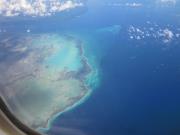
Day 1. When your plane starts to descend, have your cameras ready. You will be startled by the incredible sand bars that make for the ideal Caribbeanesque pictures. Still, the real spectacle is the uncountable number of tankers waiting in the wings for their turn to enter the Panama Canal.  Travel days are never the best; however, make the most of it. Once you get to your hotel, walk the streets to get a feel for the city. Often we forget the spaces in between the tourist destinations and forget to wonder among the actual hustle and bustle of foreign cities. Walk until you find an exciting restaurant and just go with it. This is usually the only day not planned, so take advantage of your freedom. 


Pin It

March 14, 2012

Perfect Trip: SoCal Day 10 & 11 Catalina Island

Catalina Island


This could be one of the best excursions to your Southern California trip. Long Beach is the gateway to this special destination: Catalina Island. You will have less than a five-minute drive to the ferry from any hotel in downtown Long Beach, but don’t miss your exit! It is on the left and one of the last before you get on the highway. 


Catalina Island stirred my interest as soon as I saw the old vintage postcards all over Long Beach of the “Casino,” which is actually a theater and dance hall built in 1929. As I started my weekly swing dancing ritual, it was not long until I heard about the magical nights when people from all around the country go to Catalonia Island for a night of glamor and dancing reminiscent of the glory dances. Needless to say, I was going to Catalina. I was persuaded to not go until my then-boyfriend could go with me the week I was leaving California. I reluctantly waited and ended up getting engaged on the island. You can find the story in my Wedding Bliss blog category. But let's get back to what you will be doing while you are there! 


Unlike anywhere else in the world, the zip line tour through the mountains of Catalina Island gives you a view of the ocean, gorgeous beaches, sweet Italian-looking seaside villages, and the surrounding forest. Even the famous Costa Rican zip line companies have taken tips and used the technology found on the Catalina lines. They are superior in safety and, in my book, view and adventure also. So start your day with a bang and go for it! Drop your bags off at a sweet little, non-chain hotel; we stayed at the Catalina Cottages. It was a lovely little escape, and I would highly recommend it. Avalon is the town you will dock in and likely stay in. This place is very small so bring your walking shoes! We walked to the zip lines from our hotel, and this gives you great ways to see the town. 


If you want to spend time on a beach, the one directly below the zip line will take your breath away. It is so tiny and precious. It gives you great views of the Casino and Avalon. The beach, while rocky, has fun crevices and creatures to poke at. If you decide to spend more than a day or two here, there are several remote beaches where you can camp out overnight if you are looking for a more rugged adventure. If this is your style, you should also spend an afternoon diving in the area. I could not do this, but here it is very nice and will be on my list for my next trip! 


Besides these primary activities, the island is buzzing with golf carts and bikes you can rent to explore this sweet escape.  But me, I am a walker. My fiancĂ© and I walked this island and made an afternoon of it. The steep climb can sometimes be challenging, yet the top view is worth every deep breath. Once you are above the coastal hub, you can see how the locals live in their beautiful, cliff-hanging homes, driving their golf carts and loving the island life. I highly recommend you take off and adventure around the neighborhoods; this was one of my favorite parts of the trip. 


I cannot wait to go back! 


Pin It